Heated floors as an interior element
Any person strives to ensure that his housing is as comfortable and cozy as possible. It is thanks to this desire that in the modern world there is a huge number of various devices that directly affect the quality of life. Plumbing, sewerage, electricity and more have been invented to make life better. And one of these ingenious devices are underfloor heating.
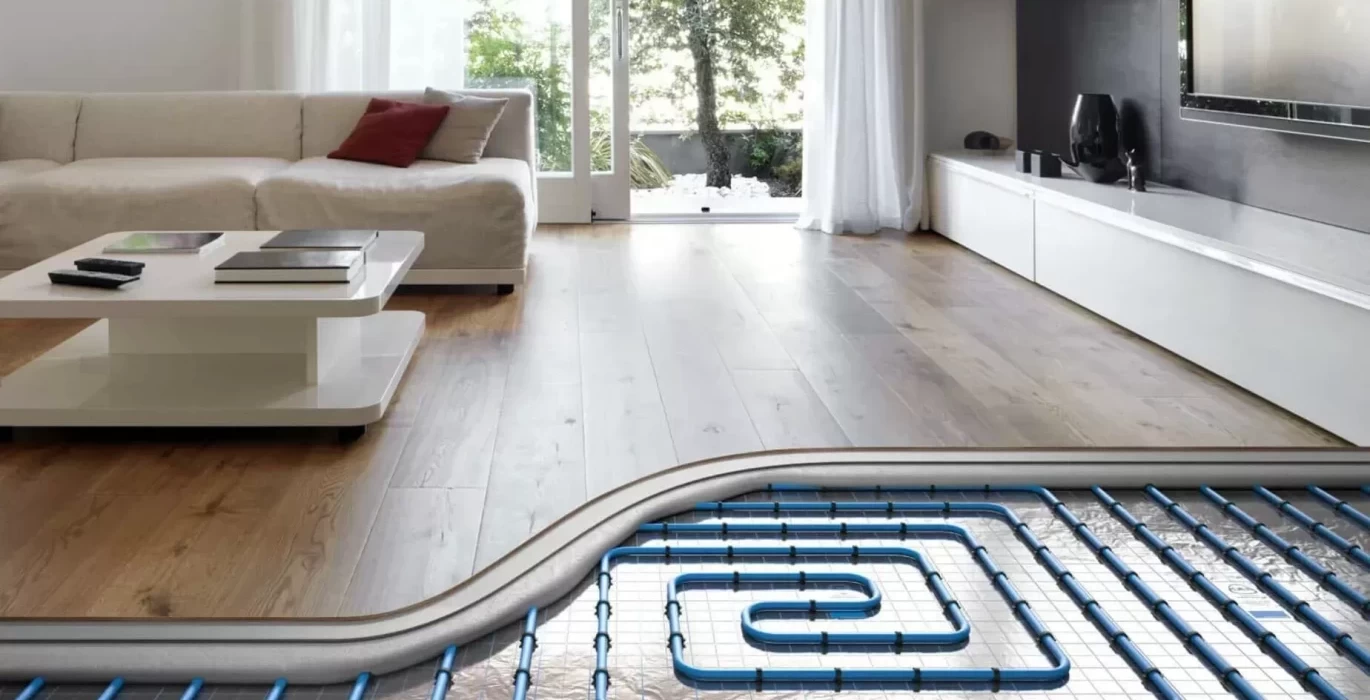
Their popularity is gaining momentum, and this is not surprising, since life in comfortable conditions is an adequate wish of any person. In fact, underfloor heating is a specific heating system, the essence of which is that the heating elements are placed under the floor covering.
Most often, warm floors can be seen in the interior of the house, as apartments are more protected from the cold. In general, there are two types of warm floors - water and electric, each of which can be divided into several subspecies.
Water heated floors are classic and water-electric. The first subspecies is a combination of a boiler and pipes. By heating the water in the boiler and distributing this water through the pipes, the floor is heated. Water-electric, on the other hand, does not require a boiler, and the heating elements are placed inside the pipes and the heating is carried out from the network. Water heated floors are the oldest option, they were often placed in the bathroom.
Electric heated floors have many more types - cable, based on an amorphous metal film, film (carbon and bimetallic). Cable is the most inefficient option, as it uses electricity too irrationally. Underfloor heating based on amorphous film is currently the most popular, as it has a lot of advantages - high energy efficiency, relatively high heat transfer, long service life, high safety, uniform heating. If you decide to place such a warm floor in the kitchen, then there will be no more problems with freezing feet. Film underfloor heating - the most modern version of underfloor heating. Carbon film floors are amazingly easy to use, and they can be moved to another room at any time. In addition, it can be placed not only on the floor, but also on the walls, ceiling. Bimetallic underfloor heating is much more difficult to use - their heating temperature does not exceed 27 ° C, they must be connected through an RCD or a differential machine due to the lack of grounding. However, such difficulties are due to one simple factor - this system is designed for decorative flooring, and can be located under parquet, linoleum, laminate, carpet. This is very true for the living room.
Actually, the only disadvantage of underfloor heating is that it must be placed under tiles, granite, basalt, etc. Simply put, under flooring with high heat transfer. Those. with rare exceptions (bimetallic film underfloor heating), they are absolutely not designed for linoleum, parquet and other standard floor coverings, which are located in the living room, hallway, bedroom. And most often they are used for bathrooms, kitchens, where the use of tiles is justified.
 08/10/2022
Benefits of a bright bedroom
 15/10/2022
Images of flowers in the interior
 23/10/2022
How to arrange a wardrobe in the office