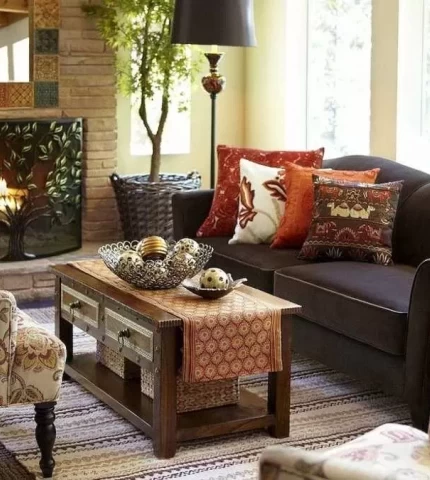
Colors and their influence on the interior
In many ways, interior design begins with the fact that you must determine the color scheme in which certain rooms will be painted. It is preferable that both interior styles and colors in different rooms do not have radical differences from each other, or at least adequately combined. This means that if you want to make the kitchen canary yellow, the bathroom dark purple, and the living room in your mind can only be pastel pink, then most likely such an interior will cause a strong dissonance. And not only for the guests of your house, but also for yourself, since different rooms have a different color direction.
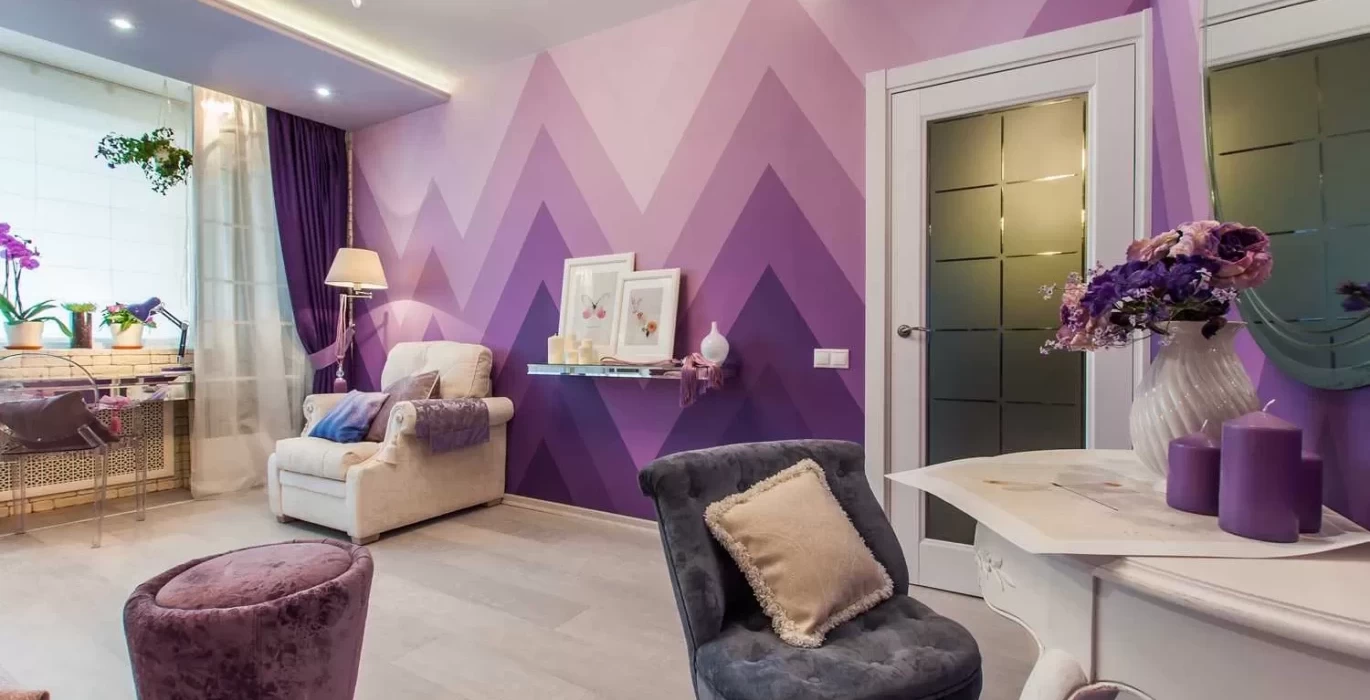
To avoid such problems, you need to immediately determine a certain general direction of colors, which you will adhere to in the future. This does not mean that you should only use 3-5 colors, just that the colors used should not be very different from each other. Those. if you like cool colors, then stick with them, likewise with warm ones. Interestingly, even the colors themselves can have a big impact on the interior and its perception by a person. So initially think about what emotions this or that room should evoke.
Bright colors are not often used in bedrooms, as this room suggests calmness and relaxation. In general, cold light shades or warm dark ones are usually used. Cold light colors make the room lighter, fresher, more airy. It is easier to wake up in such a room, and in general it creates all the conditions for an easy and joyful rise. Warm dark shades, on the contrary, give the room coziness, comfort, homely warmth. In such a room it is easier and more comfortable to fall asleep and it evokes the warm sensations of a grandmother's house.
In the living room, a game of contrast and combinations is often used. One primary color is chosen, which will be used for the floor, walls, furniture wood, and in addition to it, two or three additional colors are selected that blend well and look interesting. More often, some light color is chosen as the base, as it will make the room more spacious and easier to combine with other colors. The principle of combination works well here, as bright accent colors will make the room more lively and cheerful. Dark colors make the room heavier, and the choice of additional colors will have to be approached more responsibly. And in this case, it is better to choose a contrast - light accents in a dark room will look very stylish, plus, they will dilute the gloomy atmosphere.
Most people prefer to make the kitchen the brightest room in the house. And this is justified, since she easily "transfers" even the brightest and flashiest shades. It is best to choose green, yellow or orange, as these colors set us up for activity, positiveness and productivity. But still, it is better not to use neon shades, as they look too playful and out of place in such a room. In the kitchen, there is usually one main, bright color and additional white or dark colors, which reduce the brightness and allow you not to put pressure on the mind.
For the bathroom, four classic colors are white, black, beige and blue. The blue color is directly associated with water, the sea, and this combination is obvious for this room. Beige evokes persistent associations with a sandy beach, and it is often combined with the same blue. Black color - looks stylish and concise, but at the same time unbanal. Well, white is just a classic. Actually, these colors are surprisingly easy to combine with each other. Other options usually look worse, because they do not create such persistent associations.
When choosing furniture, you should choose it either as a complement to the main color or as a contrasting element. And whichever option you choose, company «Smart Space» will be able to make your wishes come true.