How to combine textures in the interior
Textures play a key role in interior design, helping to make the space lively, expressive and multi-layered. The successful combination of materials and surfaces allows you not only to emphasise the style of the room, but also to create a unique atmosphere filled with cosiness and harmony. In this article, we will tell you how to combine textures in the interior and what mistakes to avoid.
Why are textures so important in interiors?
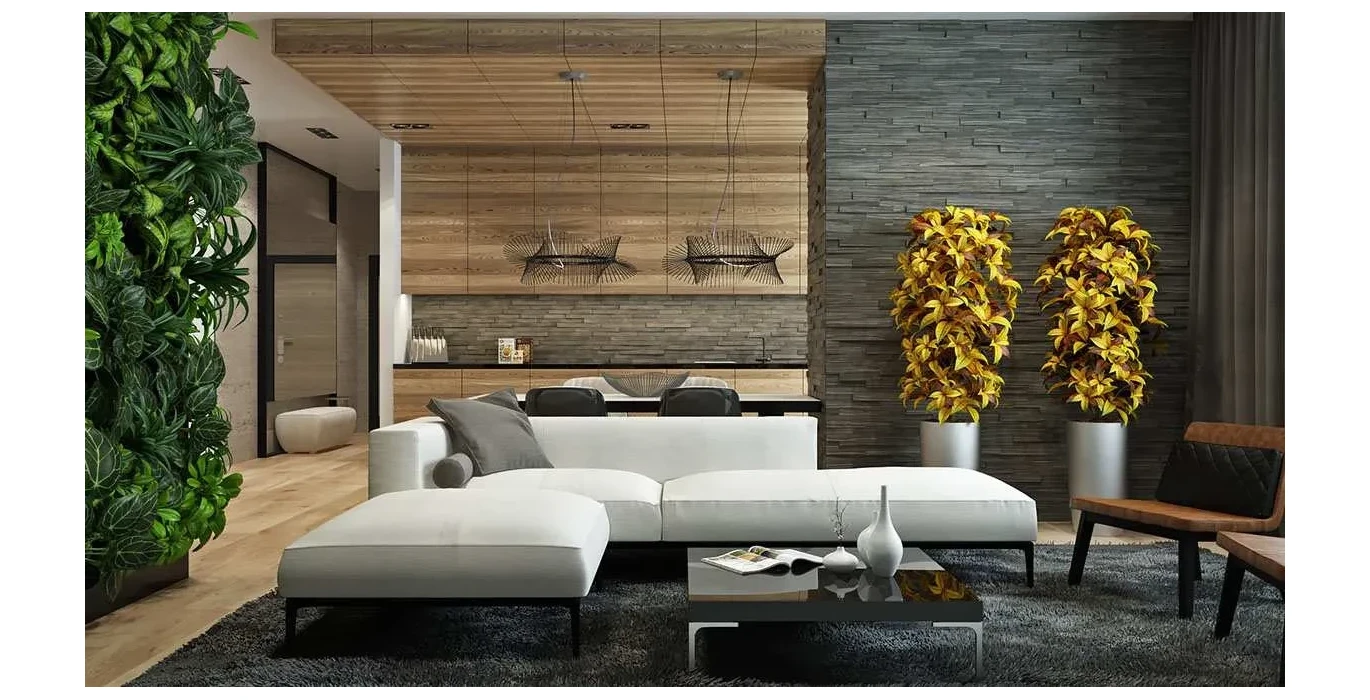
Texture — is the way a surface is perceived by touch or visually. It can be smooth, matt, shiny, rough or voluminous. The use of different textures makes a space more lively and interesting, eliminating the effect of a ‘flat’ interior.
For example, the combination of soft fabric with rough wood or glossy tiles with matt plaster creates a contrast that attracts attention and fills the room with cosiness.
Basic principles of combining textures
-
Contrast for dynamics
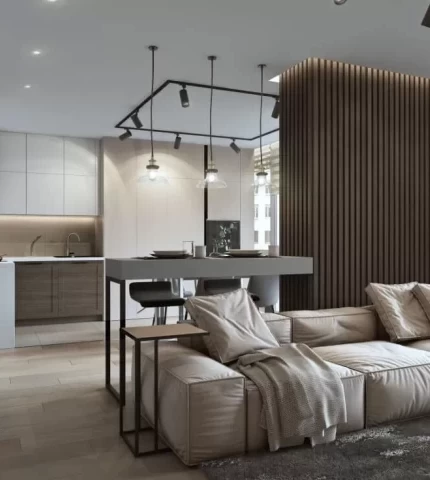
Contrasting textures add depth to an interior. Combine smooth and rough surfaces, matt and shiny elements. For example, rough wood looks great next to soft velvet, while metallic details harmonise with natural stone. -
Material balance
To keep the space from looking cluttered, it is important to maintain a balance. If rough textures dominate the interior, add a few smooth elements for visual harmony. -
Similar shades for unity
Even different textures can look harmonious if they are in the same colour scheme. This helps to unify a space and make it cohesive.
Ideas for combining textures
-
Wood and metal
Wood — is a symbol of warmth and naturalness, while metal adds modernity and cold austerity to the interior. Try using a wooden dining table with metal legs or combine wooden panels on the walls with metal lamps. -
Textile accents
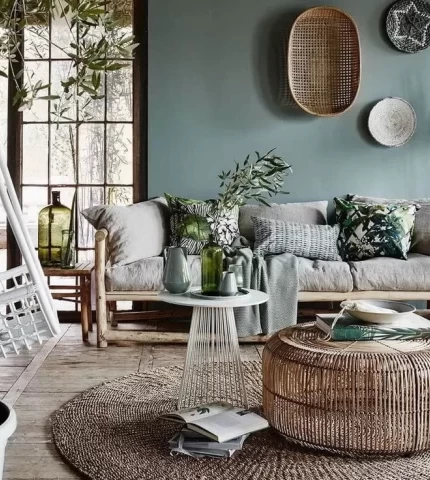
Soft textures such as velvet, linen or cotton bring cosiness. Use decorative cushions, plaids or curtains to soften the space with harder materials such as concrete or stone. -
Glossy and matt surfaces
Glossy furniture fronts or tiles combined with matt walls or textile elements create an interesting contrast. This approach works well in modern and minimalist interiors. -
Stone and glass
Natural stone — marble, granite or quartz — looks great next to transparent glass. This combination is ideal for kitchens and bathrooms, adding elegance and lightness to the interior.
Errors when combining textures
-
Excessive diversity
Avoid using too many textures in one room so that the interior does not look chaotic. Limit yourself to three or four basic textures. -
Style mismatch
Textures should match the overall style of the interior. For example, rough concrete is unlikely to suit a classic style, while soft velvet may look out of place in a loft. -
Ignoring colour
Even the most successful textures may not match if their colour palette is too varied. Choose materials with the overall colour scheme of the room in mind.
The right combination of textures in an interior — is an art that helps to create a space with depth, character and personality. Experiment with materials, balance and don't be afraid to add contrasting elements to make your home a place you want to stay.
Textures — are the language your interior speaks. Use it to tell your story in a stylish and harmonious way.