Japandi: everything you need to know about the new style
Japandi is an interior style that combines elements of Japanese minimalism and Scandinavian comfort. This style has become popular in recent years due to its elegance, functionality and environmental friendliness.
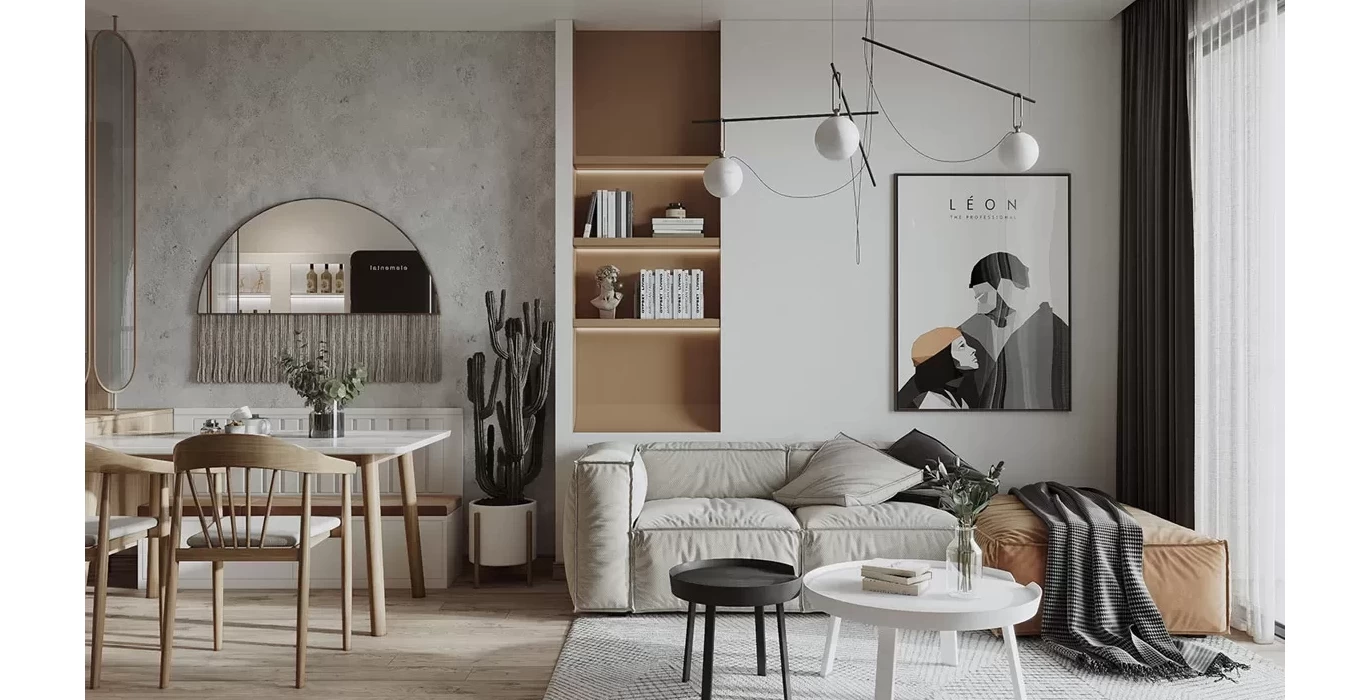
The term Japandi was first used in 2010 by designer Hiroko Ishida. Ishida wanted to create a style that was both simple and relaxing, like a Japanese interior, and cozy and welcoming, like a Scandinavian interior.
Main features of the style
Japandi is characterized by the following features:
- •Minimalism: the style is based on the principle of minimalism, which involves the use of simple shapes and lines, as well as natural materials.
- •Coziness: Japandi style also includes cozy elements such as textiles, plants and soft lighting.
- •Eco-Friendly: Japandi style uses natural materials and items that are produced with minimal impact on the environment.
Color spectrum
Japandi style uses light, pastel colors that create a feeling of calm and relaxation. Bright accents can also be used to add interior individuality.
Furniture and decor
Japandi style uses simple, functional furniture made from natural materials such as wood, rattan and bamboo. Japanese-style decorative elements such as ikebana, bonsai and Japanese lanterns are also used.
Examples of interiors in the Japandi style
Here are some examples of Japandi style interiors:
- •Living Room: A Japandi style living room usually contains a large sofa, a coffee table and a TV. Paintings or photographs in Japanese frames can be hung on the walls.
- •Bedroom: A Japandi style bedroom usually contains a bed, bedside tables and a wardrobe. Japanese curtains or wallpaper can be hung on the walls.
- •Kitchen: A Japandi style kitchen usually uses built-in furniture and appliances. Japanese plates or other decorative items can be hung on the walls.
Tips for creating a Japandi style interior
Here are some tips for creating interior design in Japandi style:
- •Use natural materials. Japandi style uses natural materials such as wood, stone, bamboo and rattan.
- •Combine minimalism and comfort. The Japandi style combines elements of minimalism and comfort. Use simple shapes and lines, as well as textiles, plants and soft light.
- •Don't be afraid to experiment. Japandi style celebrates individuality. Don't be afraid to experiment with different materials, colors and textures.
Japandi is a style that combines beauty, functionality and environmental friendliness. This style is ideal for those who want to create a cozy and stylish interior.
Additional style features
In addition to the main features, the Japandi style may have other features that add individuality to it. Here are some of them:
- •Presence of natural elements. The Japandi style welcomes the presence of natural elements such as plants, flowers and stones.
- •Using Japanese textiles. Japandi style uses traditional Japanese fabrics such as silk, cotton and bamboo fiber.
- •Elements of Japanese culture. The Japandi style interior may contain elements of Japanese culture, such as prints, origami and other art objects.
Japandi is a style that is constantly evolving and changing. Thanks to its flexibility and versatility, it can be adapted to any interior.
 19/10/2022
Unisex in the interior
 09/11/2023
Stucco molding in modern interiors
 22/10/2022
What should be in the bathroom?