How to maintain a comfortable temperature at home: options for insulating rooms
A comfortable temperature in the house is the key to comfort and health. During the colder months of the year, it is important to keep the room warm so as not to spend extra money on heating and not expose yourself to the risk of catching a cold.
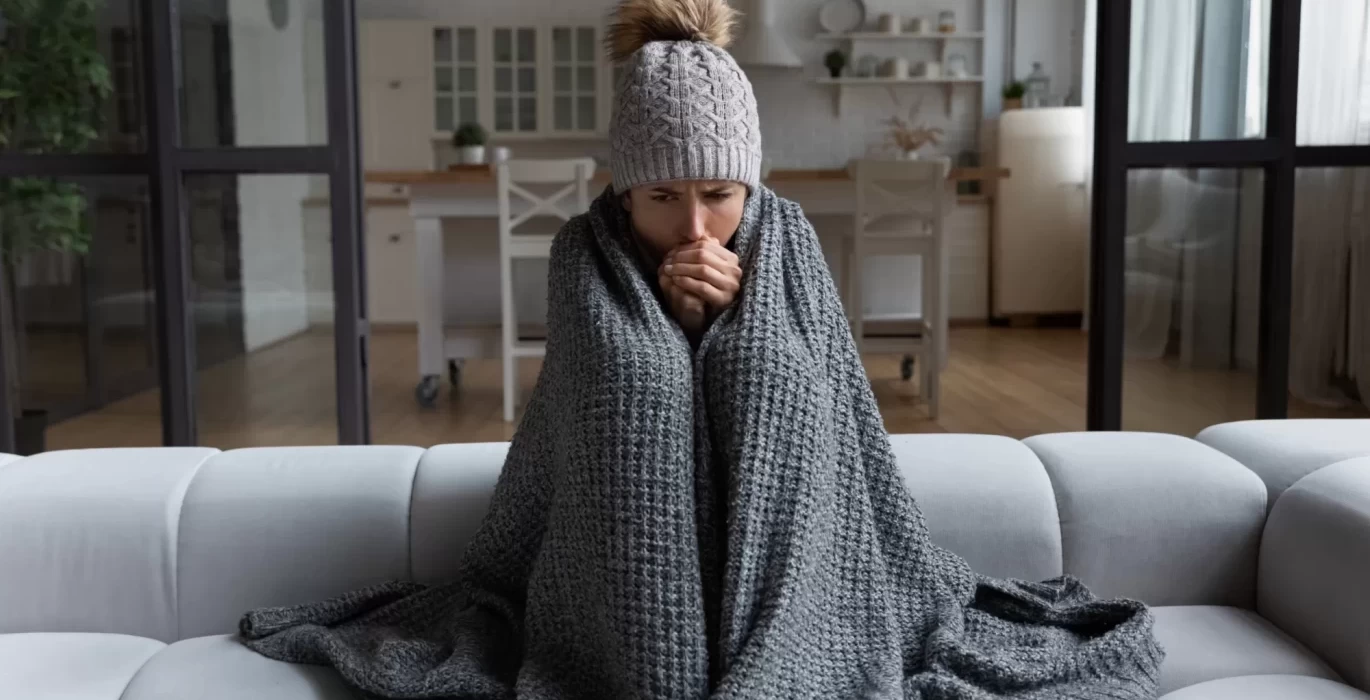
There are many ways to insulate a home. The choice of a specific option depends on the type and design of the building, budget and personal preferences of the owner.
External insulation
The most effective method of insulation is external insulation. In this case, thermal insulation material is applied to the outer walls of the building, which creates a continuous layer that prevents heat loss.
Various materials can be used for external insulation, including:
- •Polystyrene foam is an inexpensive and easy-to-install material. It has good thermal insulation properties, but is not resistant to mechanical damage.
- •Mineral wool is a stronger and more durable material than polystyrene foam. It has good thermal insulation properties and does not support combustion.
- •Extruded polystyrene foam is a strong and durable material with high thermal insulation properties. It is resistant to mechanical damage and does not support combustion.
Internal insulation
Internal insulation is less effective than external insulation, but it can be done independently. With internal insulation, thermal insulation material is applied to the interior walls of the room.
The following materials can be used for internal insulation:
- •Expanded polystyrene boards are lightweight and easy-to-install materials. They have good thermal insulation properties, but are not resistant to mechanical damage.
- •Mineral wool is a strong and durable material. It has good thermal insulation properties and does not support combustion.
- •Fiberglass boards are an inexpensive and easy-to-install material. It has good thermal insulation properties, but can cause respiratory irritation.
Floor insulation
Floor insulation is one of the most important stages of home insulation. Up to 20% of the heat from the room escapes through the floor.
The following materials can be used for floor insulation:
- •Expanded polystyrene is an inexpensive and easy-to-install material. It has good thermal insulation properties, but is not resistant to mechanical damage.
- •Mineral wool is a strong and durable material. It has good thermal insulation properties and does not support combustion.
- •Extruded polystyrene foam is a strong and durable material with high thermal insulation properties. It is resistant to mechanical damage and does not support combustion.
Ceiling insulation
Ceiling insulation is also an important step in home insulation. Up to 30% of the heat from the room escapes through the ceiling.
The following materials can be used to insulate the ceiling:
- •Expanded polystyrene is an inexpensive and easy-to-install material. It has good thermal insulation properties, but is not resistant to mechanical damage.
- •Mineral wool is a strong and durable material. It has good thermal insulation properties and does not support combustion.
- •Extruded polystyrene foam is a strong and durable material with high thermal insulation properties. It is resistant to mechanical damage and does not support combustion.
Window insulation
Insulating windows is one of the most effective ways to keep your home warm. Up to 40% of the heat from the room escapes through windows.
The following materials can be used to insulate windows:
- •Double or triple glazing is the most effective way to insulate windows. They provide good thermal insulation and sound insulation.
 03/11/2023
Interior design for rental
 15/10/2022
Images of flowers in the interior
 23/10/2022
Should you buy aluminum doors?